Rising Carbon Costs Drive The Need For Accurate Emissions Management In European Shipping
26
Owners and operators of vessels over 5,000 GT trading in Europe now face significantly increased compliance costs following the full implementation of the EU Emissions Trading System (EU ETS).
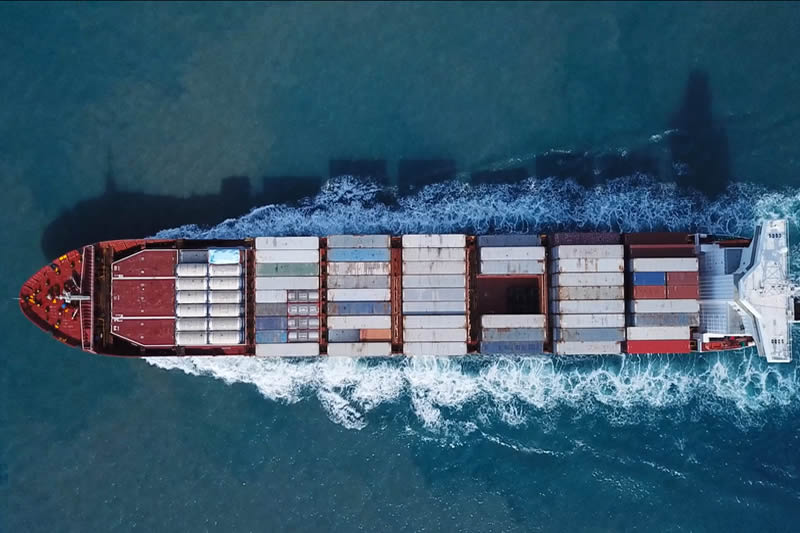
From 1 January, the transition phase ended and shipping entered full scope. This has increased fuel-related costs by around $100 per tonne for high and low sulphur fuel oil and marine gasoil, on top of the approximately $200 per tonne already associated with EU ETS Allowances. As a result, carbon exposure has become a material operational cost that must be actively managed rather than simply absorbed.
Under the updated framework, vessels operating entirely within EU/EEA waters must now surrender Allowances covering 100% of their carbon emissions. In addition, reporting obligations extend beyond CO2 to include methane (CH4) and nitrous oxide (N2O), further increasing compliance complexity. Ships trading in and out of the region must purchase allowances covering 50% of voyage emissions, while fuel consumed at EU/EEA ports must be fully accounted for.
In this environment, accurate and transparent emissions measurement is critical. Reliance solely on fuel consumption calculations can expose operators to the risk of over-reporting emissions and purchasing more Allowances than necessary. Direct CO2 measurement and real-time emissions monitoring provide a more precise, verifiable method of quantifying actual exhaust emissions. This supports stronger MRV (Monitoring, Reporting and Verification) compliance, reduces the risk of discrepancies, and may identify opportunities to lower Allowance requirements.
By implementing certified, traceable emissions measurement systems, operators can improve reporting confidence, optimise fuel efficiency, and potentially reduce their overall ETS exposure. With carbon costs now directly impacting voyage economics, proactive emissions management is becoming a key commercial and technical priority for shipowners trading in European waters.
Full compliance with the EU Emissions Trading System (EU ETS) has significantly increased the cost of burning very low sulphur fuel oil on voyages within EU waters. Although the exact impact varies with carbon allowance prices and exchange rates, the added expense has made fuel efficiency a critical commercial priority.
Even minor combustion inefficiencies, such as poor ignition timing, uneven cylinder loads or injector wear, can gradually increase fuel consumption without triggering immediate alarms. Under the EU ETS, every extra tonne of fuel burned requires additional carbon allowances, directly raising operating costs. As a result, optimising engine performance and closely managing emissions are now essential to controlling compliance costs and protecting voyage profitability.
#Protea #EmissionsMonitoring #CEMS #FTIR #GasAnalysers #ShippingEmissions #MarineEmissions #CarbonCapture #CCUS
Other Articles
The EU Emissions Trading System ETS In A Nutshell
02
Carbon Capture Utilisation & Storage (CCUS) In 2026
16
Global Underground CO2 Storage Data Offers Hope Amid Rising Emissions
01
IMO Postpones Adoption Of Global Net-Zero Shipping Framework
04
Pioneering Carbon Capture Projects Ready For Construction
03
Methanol & Ammonia Deemed Ready As Zero-Emission Shipping Fuels
01
Carbon Capture Storage Reaching A Turning Point In Decarbonisation
13
CCS To Capture 15% Of Shipboard Carbon Emissions By 2050
29
Global Shipping Industry Struggles To Navigate Net Zero Transition
21